Signed in as:
Farmageddon Brewery Event Planning Manual
Farmageddon Brewery hosts community-first craft beer experiences that welcome diverse neighborhoods and celebrate local agriculture. The core goal is to create an accessible, affordable event that showcases Farmageddon beers, supports small food vendors, and strengthens ties with farmers and clubs. Primary success metrics include attendance, revenue per attendee, community impact, and satisfaction scores. Measurable KPIs to track are:
- Net promoter score, average spend per guest, and percentage of tickets sold to local residents.
- Number of vendor partnerships, amount donated to partnered charities, and repeat-attendee rate.
- Sustainability metrics such as percent composted waste and reusable cup reuse rate.
Partnerships and Stakeholders
Close collaboration with brewery staff ensures taproom operations and brand values translate to the event floor. Local businesses and food vendors must be vetted for quality and compliance, with preference given to those sourcing regional produce. Community organizations and hobby clubs provide outreach pathways and volunteer pools. Sponsorship offerings should be tiered with clear activation benefits such as branded pour stations, logo placement on signage, and hosted tasting slots for premium partners.
Budgeting and Funding
A realistic budget allocates fixed costs, variable costs tied to attendance, and a 10–15% contingency. Revenue projection scenarios use conservative, realistic, and optimistic attendance figures. Grants from municipal cultural funds and crowdfunding campaigns tied to community programming are viable cushions. In-kind contributions from local farms and equipment lenders reduce cash outlays and deepen community buy-in.
| Line Item | Estimated Cost (USD) | Revenue or Offset | Notes |
|---|---|---|---|
| Venue rental and permits | 3,200 | Community hall or brewery lot options | |
| Staffing and security | 2,100 | Includes trained service personnel | |
| Beverage production & taps | 4,000 | Brew batch allocation and keg rental | |
| Glassware, rinsing stations | 900 | Reusable tasting glasses with deposit | |
| Marketing and signage | 1,200 | Local ads, posters, social ads | |
| Food vendor subsidies | 600 | Small stipend to encourage local vendors | |
| Insurance and licenses | 850 | Event liability and alcohol coverage | |
| Contingency (12%) | 1,500 | Covers weather, equipment repair | |
| Projected ticket revenue | 13,500 | Based on 750 tickets average price $18 | |
| Sponsorship and grants | 3,500 | Local business and municipal support | |
| Net projection | 3,150 | After costs and contingency |
Venue Selection and Layout
Prioritize a location that balances access and atmosphere: the brewery courtyard, a community hall, or a local farmstead. Indoor venues reduce weather risk; outdoor spaces allow expanded capacity and a farm-to-table feel but require contingency plans. Design a flow that separates tasting stations, food stalls, and educational space, with clear entry, ID verification, and exit paths to avoid congestion. Place tasting stations in a semicircle to encourage movement and minimize cross-traffic.
Permits, Insurance, and Legal Compliance

Obtain local alcohol event permits and comply with state serving regulations. Coordinate with the health department for any food vendor approvals and ensure vendor certificates are on file. Secure event liability insurance covering general and liquor liability. Implement strict age verification policies with trained staff and tech-assisted ID scanning for efficiency.
Beer Selection and Curation
Feature a rotating lineup of Farmageddon flagship and seasonal beers, complemented by a small selection of guest breweries to broaden appeal. Maintain a balance of hop-forward, malt-focused, and experimental offerings, with at least two low-ABV or non-alcoholic options. Document ABV and allergen information at each tap. Reserve a dedicated tap for experimental one-offs to promote brewer creativity and guest engagement.
Tasting Formats and Experiences
Offer a mix of guided tasting sessions and freestyle areas. Timed flights with 3–4 samples create a structured tasting option, while open pours allow casual sampling. Schedule themed showcases such as IPA hour or barrel-aged demo to concentrate interest. Include brief educational segments and brewer Q&A periods to reinforce brand storytelling and deepen guest appreciation.
Food Pairings and Menu Planning
Match local foods to beer styles with concise pairing menus that emphasize seasonal produce. Accommodate common dietary restrictions with clearly labeled vegetarian, vegan, and gluten-reduced options. Encourage vendors to offer tasting portions priced for sampling and aligned with ticketed tasting sizes to reduce waste and increase throughput.
Ticketing, Pricing, and Registration
Implement tiered tickets, including early-bird general admission, on-site general, and VIP packages that include priority tastings, limited pours, or a souvenir glass. Use established online ticketing platforms that support transfers and refund policies tied to weather contingencies. Define clear day-of policies for transfers, no-shows, and partial refunds.
Staffing and Volunteer Management
Define roles for pour leads, ID checkers, floater support, vendor liaisons, and security. Incentivize volunteers with free tasting credits, branded merchandise, or local gift certificates. Provide concise training on pouring protocol, ID verification, and guest safety. Maintain a single communication channel for shift changes and incident reporting to preserve clarity.
Equipment, Supplies, and Technical Needs
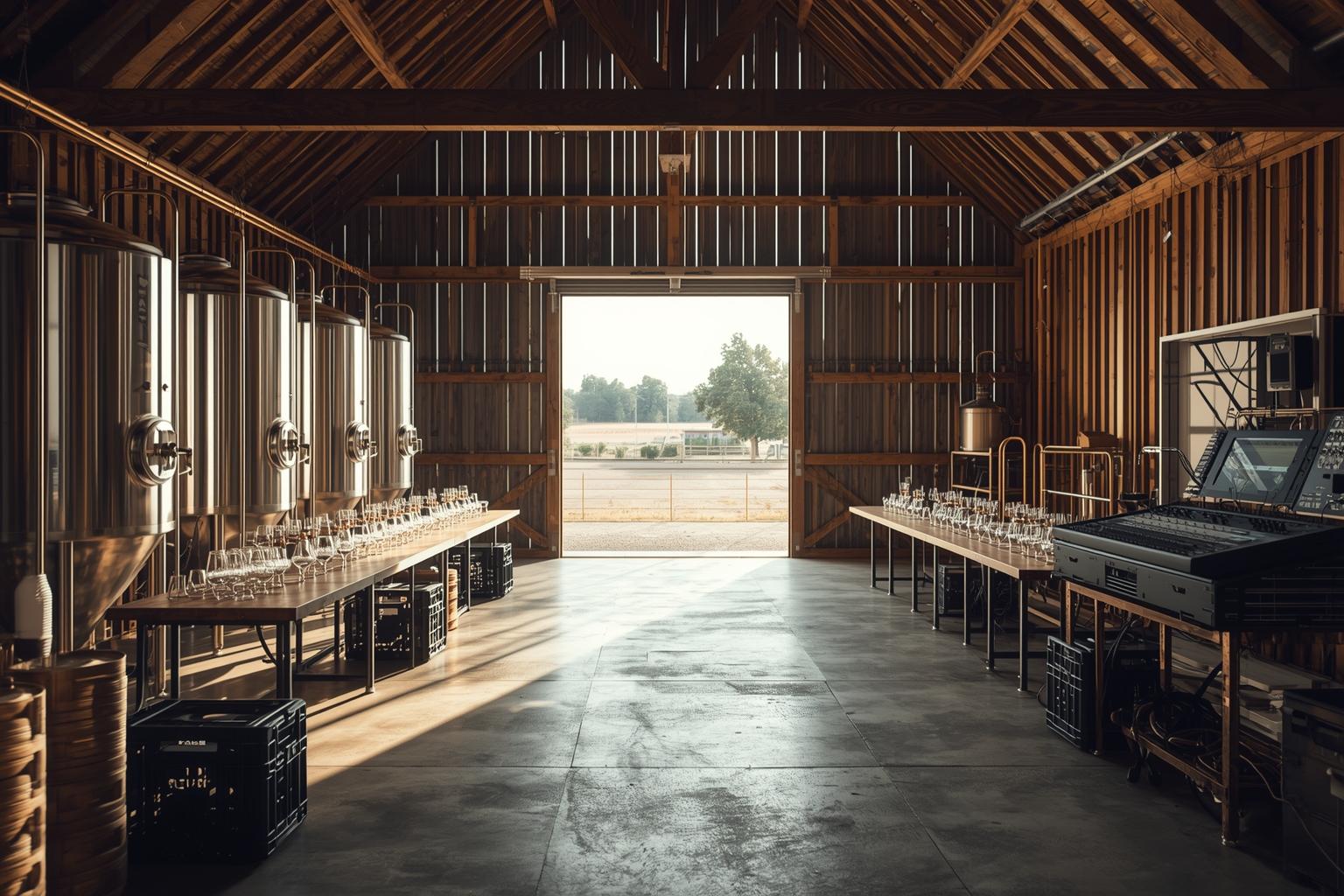
Secure adequate glassware with rinsing stations and a plan for washing or collection and deposit. Ensure sufficient tap infrastructure, kegerators, and CO2 backups. Select a point-of-sale system with tab capabilities and clear cash-handling procedures. Confirm power distribution, lighting for evening events, and a sound system for announcements and scheduled talks.
Marketing and Promotion
Align messaging with the brewery’s identity: approachable craft beer rooted in farm partnerships. Run a coordinated social media calendar, email blasts to local subscribers, and press outreach to community outlets. Use clear onsite branding and wayfinding to ease guest navigation.
Guest Experience and Accessibility
Create a welcoming entry with an information desk and maps. Provide ample seating, shaded areas or indoor shelter for comfort, and ADA-compliant routes. Offer sensory-friendly hours or quiet zones where possible and include family-friendly non-alcoholic activities to broaden participation.
Health, Safety, and Responsible Service
Staff all alcohol service roles with certified training. Limit pour sizes and monitor guest consumption through wristband systems for extended sessions. Arrange ride-share discounts and coordinate with local taxi services to reduce impaired driving. Station first aid personnel on site and publish an emergency action plan.
Sustainability and Waste Reduction
Use reusable or compostable serveware and place recycling and compost receptacles throughout the site. Partner with local farms or food rescue organizations to manage surplus food. Track waste diversion rates and publish impact numbers after the event.
Community Engagement and Outreach
Feature ingredients from local farmers, host homebrewing demonstrations, and allocate a portion of proceeds to a local charity. Prepare a post-event impact report that highlights attendance, funds raised for community causes, and sustainability outcomes to reinforce transparency and accountability.
Sponsorships, Vendor Coordination, and Contracts
Set clear criteria for vendors, require insurance and permits, and outline payment terms upfront. Define sponsor deliverables and activation timelines in signed agreements. Coordinate load-in windows and booth logistics to streamline setup and minimize conflicts.
Day-Of Operations and Event Timeline
Follow a detailed run sheet covering setup, soundcheck, safety briefings, public opening, scheduled tastings, and breakdown. Include contingency time for weather and equipment delays. Post-event cleanup protocols and vendor load-out plans should protect the venue and community relationships.
Guest Feedback, Metrics, and Reporting

Collect feedback through short surveys and compute an NPS. Reconcile sales and pour data with inventory to evaluate popular offerings and spoilage. Deliver concise partner packages summarizing reach, spend, and qualitative results. Capture lessons learned to inform subsequent gatherings and continuous improvement.